










There are no products listed under this category.



What is your base material?
What style anchor is required?
What types of fasteners work best for various environmental conditions?
|
Use the tables below to choose the best anchor to use for your project. Information is based on appropriateness for the base material.
V = Very suitable M = May be suitable
| Type of Material | |||||
| Solid Concrete | Hollow Concrete Block | Grout Filled Block | Brick | Mortar | |
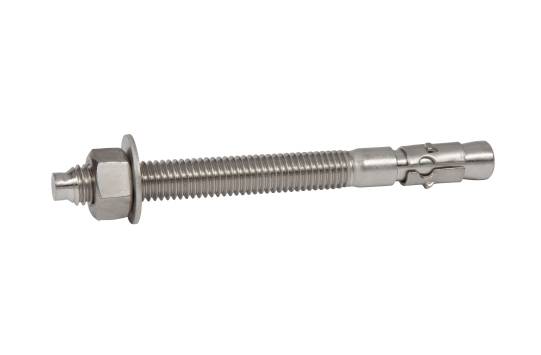
| Wedge Anchor | V | M | |||
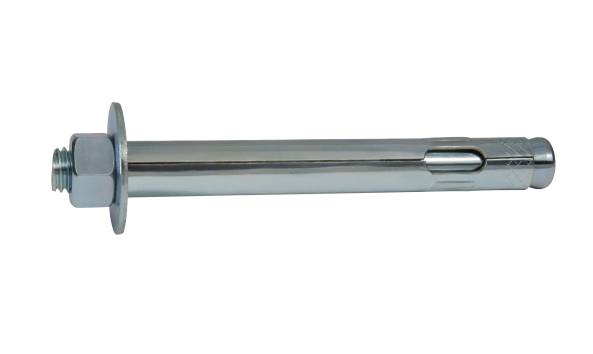
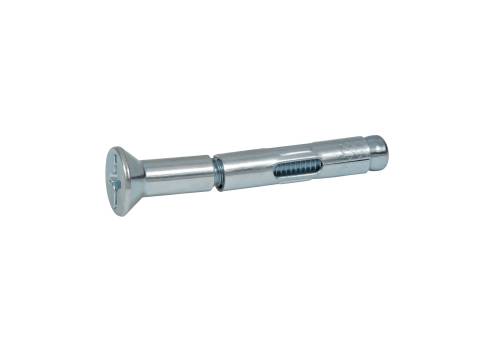
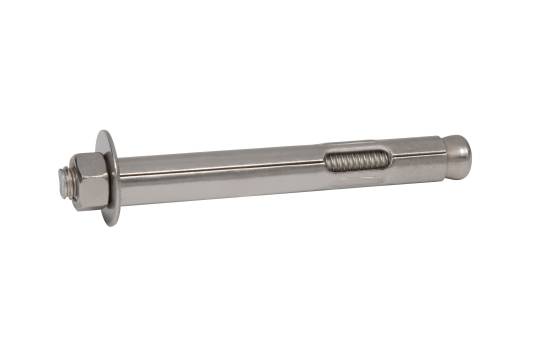
| Sleeve Anchor | V | V | V | V | V |
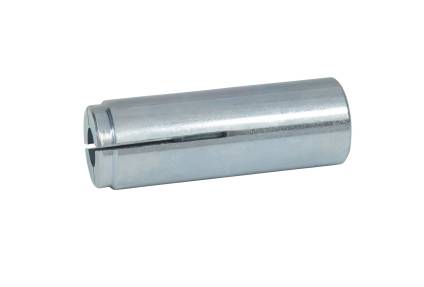
| Drop-In Anchor | V | M | |||
| Machine Screw Anchor | M | V | M | V | V |
| Leadwood Screw Anchor | V | V | V | V | |
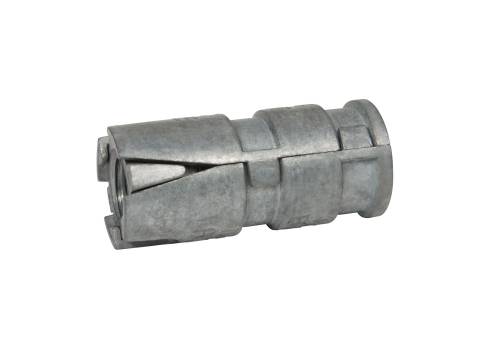
| Single Expansion Anchor | M | M | V | V | V |
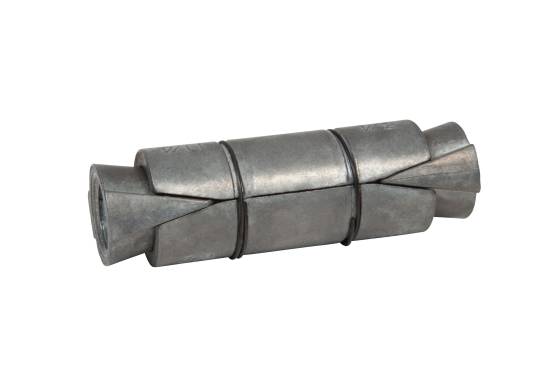
| Double Expansion Anchor | M | M | V | V | V |
| Type of Material | |||||
| Solid Concrete | Hollow Concrete Block | Grout Filled Block | Brick | Mortar | |
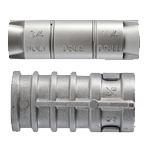
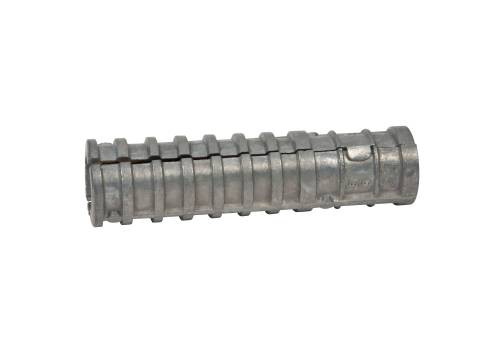
| Lag Shield Anchor | V | V | M | V | V |
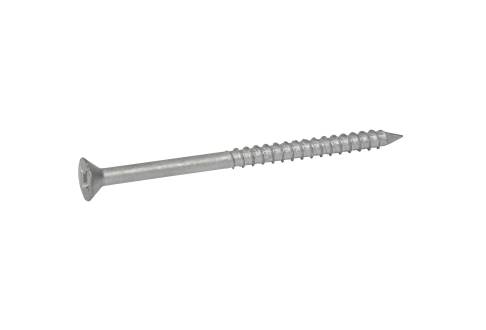
| Tapcon® Concrete Screws | V | V | V | V | V |
| Nylon Nail-it | V | M | V | V | |
| Metal Hit Anchor | V | M | M | M | |
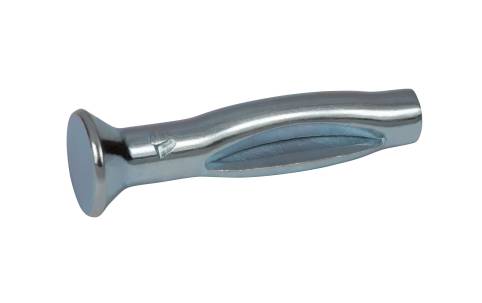
| Split Drive Anchor | V | M | |||
| Strike Anchor | V | M | |||
There are no products listed under this category.